What's Happening at in2one Community Church? Find it all here.

Thursday October 15, 2026
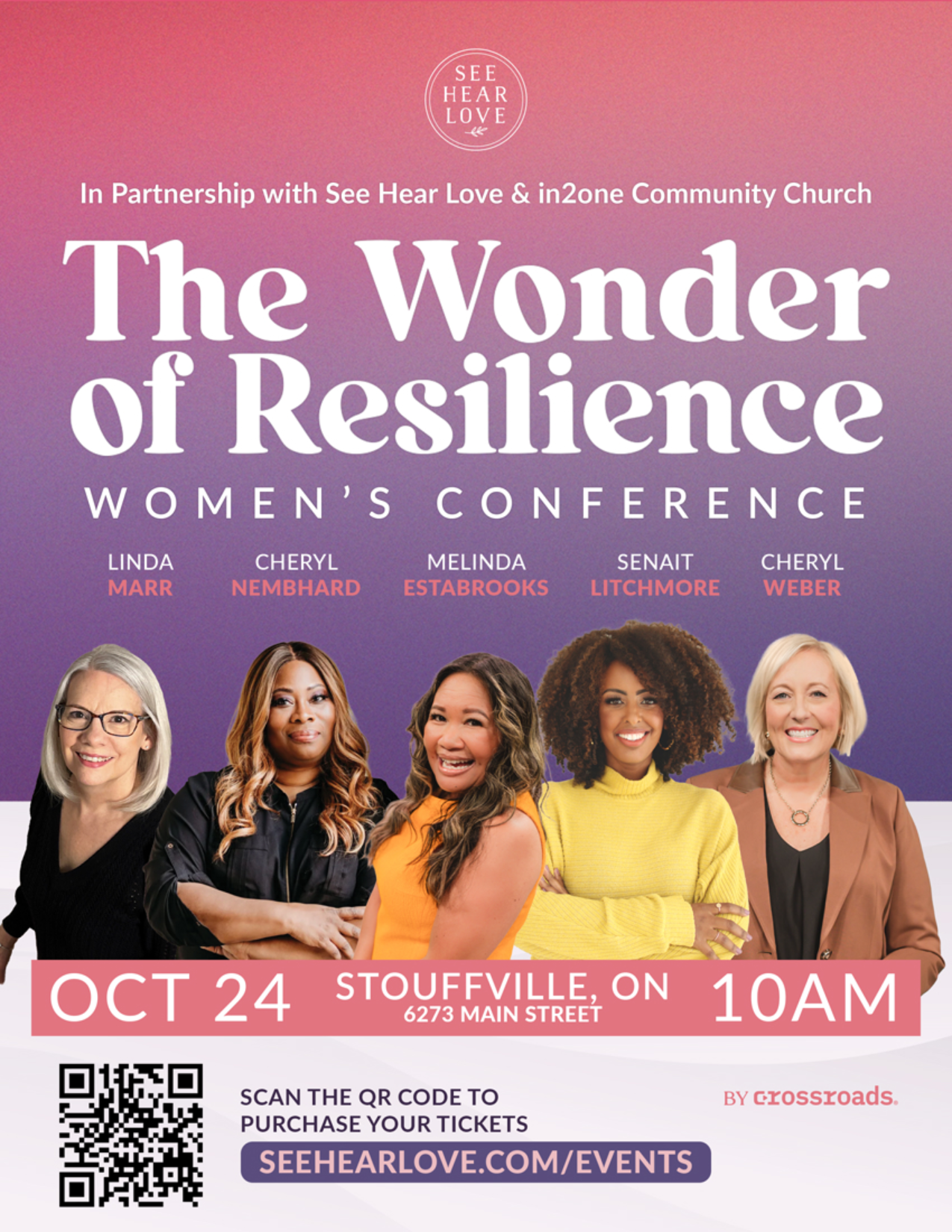
Welcome to the weekly update 👋 This is your one-stop spot for everything happening in our church family. From kids to adults, small groups to special events, here's how you can get connected looking forward. Let us not become weary in doing good, for at the proper time we will reap a harvest if we do not give up. -GALATIANS 6:9- DON'T GIVE UP! On this ROAD TRIP, in earnest pursuit of Christ, we are being brought together in2one. We have hope and freedom in the love of Jesus. UPCOMING SERMONS October 04 SPOTLIGHT: DAVID I 04 The Great King 11 THANKSGIVING / SPOTLIGHT: DAVID I 05 When Dreams Come True 18 Things Jesus Never Said I 01 You Don’t Need To Forgive Them 25 Checkpoint I Communion I Gratitude Sunday Things Jesus Never Said: These days it’s easy to see life the way we want to. We can filter our images, pick the news we want to hear, and listen only to the viewpoints that agree with us. When we do that, we start to distort our view of the world. The same thing can happen to our view of God. We reshape our perception of Him into what we want to believe, or what we want to think about others. Jesus came to bring us the truth about God and His plan for us, and it doesn’t always sound like what you may think. November 01 Things Jesus Never Said I 02 Go Do What Makes You Happy 08 Things Jesus Never Said I 03 You Won’t Have Bad Days 15 Things Jesus Never Said I 04 You Get What You Deserve 22 Sacred Spaces I 01 Hard To Obey 29 Checkpoint I Advent Sacred Spaces: “I never thought this would happen … I have no idea what to do next.” Have you ever had a moment like that? You’re face to face with a choice that feels bigger than you, and how you respond might change your life. How do you know what to do? Together, let’s learn how to turn unexpected moments into SACRED SPACES.Upcoming Events OCTOBER EVENT DATES 04 IN2ONE @ Buckingham Manor 3pm 12 THANKSGIVING Sunday 17 Men’s Breakfast & Hike 10am 17 IN2ONE @ Stouffville Market 10-2 18 Soup Social 11:30am 18 THE CHOSEN Premiere Season 6 Episode 01 6:30pm 24 Resilience Women’s Conference 25 IN2ONE @ Buckingham Manor 3pm 26 Mugs & Muffins 10AMORDER TICKETSNew here? We'd love to connect. COMMUNICATIONS Stay up to date with everything that is happening in each of these ministry areas by SUBSCRIBING to the ones that impact you the most. These UPDATES are available to anyone who goes to the website to locate them. SUBSCRIBING notifies you when the latest info goes public so that you can be the first to know. Latest UpdatesKid’s & Family MinistryWomen’s MinistryMen’s MinistryShared Solitude Last Week's Message SPOTLIGHT: David I 05 When Dreams Can’t Come True | Rev. Graham Clinton 2 Samuel 12-18 Humble shepherd. Giant-slayer. Gifted poet. Mighty warrior. Flawed man. Legendary leader. We explore the life of one of history's most famous kings over five episodes. Watch last week’s sermon 👇in2one YouTube ChannelVisit Sermon Archive Prayer We carry each other through the spiritual practice of prayer.Submit Prayer RequestsGo To Prayer Hub Here is a PRAYER for you to pray this week: A Prayer To Be A Light In The World: God, You are the source of all goodness and wisdom. If I have light to give to the world, it’s because it comes from You. Your light is my salvation and guide. Please use me as a light in the world to show Your grace and mercy. In Jesus’ name, Amen. Giving Your generosity makes our work in this city possible. We’re so grateful for you. We believe in reflecting Jesus to the world around us in many ways and one of the most practical is through generosity. We believe and practice generosity in TIME, TREASURE and TALENT.Give Now Here Useful Thoughts WRESTLING One of the greatest strengths of Powers (Rulers) and Principalities (Authorities) is to convince us that the source of the problems we see in the world have nothing to do with Powers and Principalities. Whether it was Charles Baudelaire: "La plus belle des ruses du Diable est de vous persuadik qu'il n'existe pas!" ("The greatest trick of the Devil is to persuade you that he does not exist!"). Or Roger "Verbal" Kint from the movie the Usual Suspects "The greatest trick the Devil ever pulled was convincing the world he didn't exist" the idea of spiritual forces hiding their existence is well known. But the Apostle Paul exposes to the world the truth in his letter to the Ephesians 6:12 12 For our struggle is not against flesh and blood, but against the rulers, against the authorities, against the powers of this dark world and against the spiritual forces of evil in the heavenly realms. Paul’s words are so important: we don’t wrestle (struggle) against flesh and blood. The Powers are evil spiritual forces that take root in individuals, ideologies, and institutions, leading to a culture of deception, fear, dehumanization & death. To talk meaningfully about what’s happening in the Middle East from a Christian perspective is to reckon with this. To talk meaningfully about what is happening in our world from a Christian perspective is to reckon with this. What does this mean for me as I view the world? What does this mean for me as I view what happens around me? How do I prepare myself to face the world and everything that I have to face? Ephesians 6:13 13 Therefore put on the full armour of God, so that when the day of evil comes, you may be able to stand your ground, and after you have done everything, to stand. -Interacting with thoughts from Rich Villodas Don't give up! Focus well and keep driving forward on this ROAD TRIP in earnest pursuit of Jesus. -Pastor Graham- In2one Measurables From Last Week PEOPLE OnMain St: 53 OnLine: 30 Total: 83 DONATIONS Total $3,572.34 Thank you for your kindness, generosity and applied trust in our God. Stay Connected 📩 Subscribe to this Collection to get these updates delivered directly to your inbox. 📸 Follow us on Instagram , Facebook , YouTube , X (Twitter) 💬 Pastoral care or questions? Connect with us here. Services: Sundays at 10:00 AM 6235 Main St., Stouffville, ON L4A 1G5 See you soon ☀️

Collections